- Phone: +91-9348425256
- Mon-Sat (8am - 6pm)
- skinfertilityinstitute@gmail.com

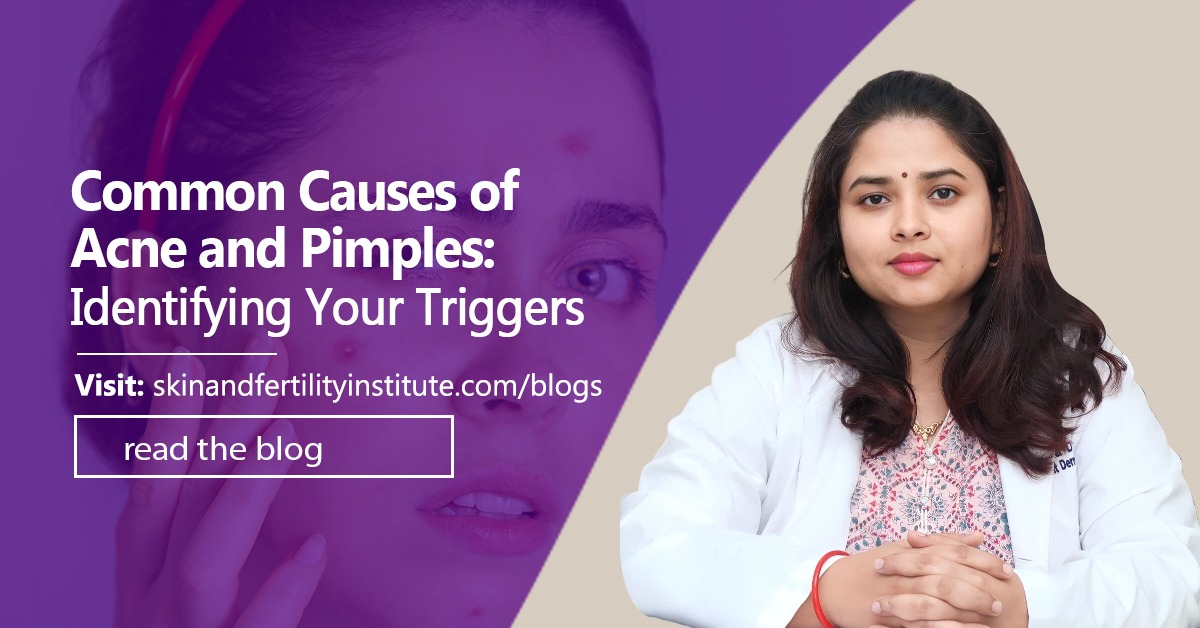
Common Causes of Acne and Pimples: Identifying Your Triggers!
Pimples do not only happen to teenagers. People of various ages experience pimples. While it is normal to have pimples sometimes, having them all the time can be so annoying. However, to have better skin, it is necessary to know the causes of pimples. There are various reasons for pimples, such as the food you eat, the amount of stress you have, and the way you take care of your skin. But if you haven't treated your acne, rush to the top dermatologist in Bargarh.
In order to properly deal with acne, it is important to know what triggers acne on your personal level. This is because, even though everyone has acne, everyone has different triggers for their acne. For example, some people may get acne because of what they are eating, how stressful their lives are, what kinds of beauty products they use, and even genetics. By knowing what triggers acne, you are able to make better choices on how you can avoid getting acne as often, or as severely, as you do currently.
Various Common Causes of Acne and Pimples
Acne and pimples stem from lifestyle, hormonal, and environmental factors. Identifying your triggers is key to preventing breakouts and achieving clearer skin.
Hormonal fluctuations
Hormones significantly affect the development of acne, especially during key life stages like puberty, menstruation, pregnancy, and times of high stress. It is during this pubertal stage that there is an increased production of hormones, especially androgens, which are male hormones, although they are present in females too. As a result of the increased level of androgens, there is a subsequent increase in the production of oil by the oil glands of the skin. If there is an excess of oil produced by the oil glands of the skin, it can cause the pores of the skin to get clogged with acne-causing bacteria. This leads to painful and unattractive acne of varying degrees and locations on the skin. With the best dermatologist in Bargarh, acne can be effectively handled.
Poor skincare habits
Using bad cleansers can strip your skin of natural oils, leading to irritation and worsening acne. Not washing your face often enough causes the buildup of oil and dirt on your face, resulting in more breakouts. Exfoliating too much also harms your skin because it compromises your skin's natural barrier, causing more sensitivity and breakouts. Too much makeup also clogs your pores and causes oil buildup. The use of gentle products, along with a well-balanced routine, plays an important part in the maintenance of healthy, clear skin.
Bacterial growth
Cutibacterium acnes is a bacterium found on the surface of our skin, but it is harmless unless the pores on the surface of the skin get clogged due to too much oil and dead cells, causing the growth of this bacterium, resulting in inflammation, or redness, on the surface of the skin, commonly known as pimples or acne.
Medications and medical conditions
Certain drugs, such as corticosteroids and certain birth control methods, can influence the hormone levels in the body. This change in hormone levels can trigger the formation of acne or make existing acne worse. Additionally, conditions such as PCOS can trigger the formation of acne due to the imbalance of hormones in the body. This creates an environment for acne to flourish, emphasizing the connection between hormones and acne. Therefore, if you need to get rid of your acne without any hassle, then a dermatologist in Bhubaneswar can help you.
Excess oil production
When sebaceous glands produce too much oil, they become overactive. The extra oil produced is not needed by the skin. Too much oil gives bacteria an ideal place to thrive, which can then develop into clogged pores. There are many reasons why sebaceous glands become overactive. Some of the reasons include genetic makeup, which may lead some people to have oily skin. Hormonal changes during puberty, menstruation, and pregnancy may also lead to overproduction of oil. Additionally, eating certain foods, such as those high in sugar or dairy, can affect oil production. These factors can all interact in complicated ways, making it hard for the skin to stay balanced.
Diet and lifestyle factors
Certain food items have an impact on skin health, especially for people who suffer from acne. Foods such as sugar, dairy, and processed food items can lead to the development of acne in some people. In addition to food, there are also other factors such as the absence of sleep, high stress levels, and the absence of physical activities that have an impact on skin health and the development of acne.
Conclusion
Hormones, diet, skincare routine, and environmental factors are some of the factors that affect acne and pimple formation. Understanding what causes acne and pimple formation in your body is important for controlling and preventing these skin conditions.
Disclaimer: The information on the site is online for research-based educational purposes only and does not substitute for professional medical advice. Please consult a medical professional or healthcare provider for medical advice, diagnoses, or treatment.

About Us
We are the dedicated centre to addressing male sexual dysfunction, female sexual diseases, cosmetic gynaecology, vulvar clinic, hair transplant and all skin related problems.
ConsultationContact Info
- Dr. Shakti and Dr. Ipsita Skin Fertility Institute, NH-6, Near TVS Showroom, Nigamananda Bihar, Bargarh-768028, Odisha.
- +91-9348425256
- skinfertilityinstitute@gmail.com
- Week Days: 09.00 to 18.00 Sunday: Closed